

Introduction
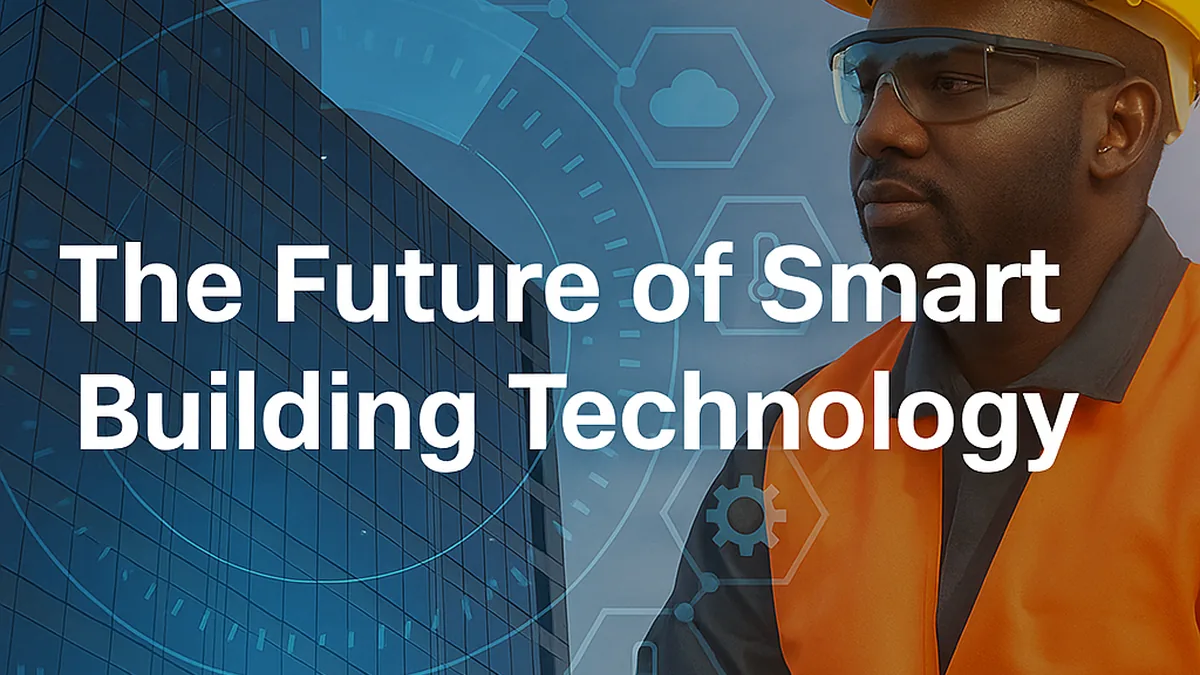
The way we design, build, and manage our spaces is changing faster than ever before. What was once considered futuristic — automated lighting, energy-smart buildings, AI-powered maintenance systems — is now becoming standard practice. In South Africa and around the world, smart building technology is transforming construction into a more efficient, sustainable, and data-driven industry.
At RenoWise, we believe the future of construction is digital, connected, and people-centric — a future where every building thinks, learns, and improves itself over time.
Building Smarter. Living Better.
At RenoWise, we believe the future of construction is digital, connected, and people-centric — a future where every building thinks, learns, and improves itself over time.
1️⃣ Smarter Construction Through Connectivity
Modern construction projects no longer rely solely on manual coordination. With Internet of Things (IoT) integration, project managers and contractors can now monitor site activity in real time.
-
Smart sensors track temperature, humidity, and structural integrity.
-
GPS-enabled equipment improves safety and asset management.
-
Cloud-based dashboards allow seamless collaboration between engineers, builders, and clients.
This connected ecosystem reduces delays, optimizes costs, and gives decision-makers complete visibility — all from a single digital interface.
2️⃣ Energy Efficiency and Sustainability
Sustainability is no longer optional; it’s the foundation of future design. Smart buildings are redefining energy use through intelligent automation:
-
Adaptive HVAC systems that learn occupants’ habits.
-
Solar integration with battery storage and smart metering.
-
Water-saving systems that track and predict consumption.
These technologies not only reduce operational costs but also minimize environmental impact — helping developers achieve green certifications and align with South Africa’s sustainability goals.
3️⃣ AI and Predictive Maintenance
Artificial Intelligence (AI) is the silent engineer of tomorrow. Through pattern analysis and predictive maintenance, AI systems can detect problems long before they happen.
Imagine a world where your building automatically schedules an electrician before a circuit fails, or where sensors detect moisture before a leak becomes visible.
AI-driven maintenance means fewer emergencies, longer building life cycles, and smarter allocation of resources — all leading to safer and more reliable infrastructure.
4️⃣ Digital Twins: The Virtual Blueprint Revolution
A digital twin is a virtual replica of a real building that mirrors every system and process.
These living models are used for:
-
Testing renovations and expansions before construction.
-
Simulating energy performance and occupancy flow.
-
Integrating maintenance, compliance, and tenant data in one digital space.
For developers, this means fewer surprises, faster approvals, and smarter asset management across the building’s lifespan.
5️⃣ The Human-Centric Smart Building
At its core, technology should serve people.
Smart buildings now integrate comfort, health, and productivity into their design:
-
Automated lighting that mimics natural daylight.
-
Smart air-filtration for cleaner indoor environments.
-
Touchless access, voice control, and adaptive climate settings.
These features create spaces that respond to human behaviour — making homes, offices, and communities safer, healthier, and more enjoyable.
Conclusion
The future of smart building technology isn’t coming — it’s already here.
From IoT to AI, and from sustainability to digital twins, the industry is entering a new era of collaboration and intelligence.
At RenoWise, we’re proud to be part of this evolution, connecting homeowners, builders, and suppliers to the digital tools that make construction smarter, safer, and more sustainable.